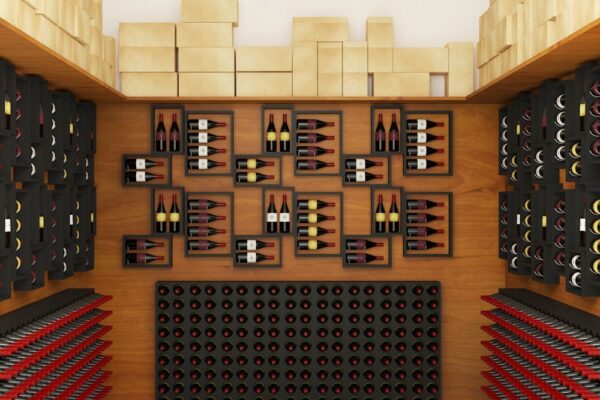
There’s something deliciously ironic about wine cellars, isn’t there? Whilst your prized Bordeaux matures beautifully in the shadows, gathering complexity and character, there’s something else gathering too—dust. Lots of it. And unlike that 2015 Châteauneuf-du-Pape, dust doesn’t improve with age.
If you’re a London wine enthusiast with a proper cellar (or even a converted basement that does the job nicely), you’ll know the dilemma well. These temperature-controlled sanctuaries are perfect for wine storage, but they’re also practically purpose-built dust traps. The good news? Keeping your cellar pristine doesn’t require the dedication of a Downton Abbey butler. You just need the right approach, a bit of regular attention, and perhaps the occasional professional touch.
Let’s uncork the secrets to maintaining a spotless wine cellar that’s as impressive as the vintages within it.
Why Wine Cellars Are Dust Magnets (And Why It Matters)
Wine cellars tick every box on dust’s wish list. They’re cool, dark, quiet, and—crucially—largely undisturbed for long periods. It’s like offering dust an all-inclusive holiday where it never has to leave.
The science is straightforward enough. Dust particles settle where air movement is minimal, and your carefully climate-controlled cellar has deliberately stable air. Add in the fact that most cellars aren’t exactly high-traffic areas (you’re not popping down every hour like you’re running a corner shop), and you’ve created what scientists would call an “ideal accumulation environment.” What we call it is “a right mess waiting to happen.”
But here’s why it actually matters beyond aesthetics. Dust buildup can interfere with your cellar’s temperature regulation by coating ventilation systems and sensors. It can damage wine labels—devastating if you’re a collector who might eventually sell. Thick dust can even affect humidity levels and, in worst-case scenarios, attract the sort of unwanted guests that make a mouse in your kitchen look like a welcome distraction.
There’s also the matter of cork integrity. Whilst the beneficial sediment inside your bottles is part of the natural wine ageing process, environmental dust settling on corks and bottles can harbour bacteria and mould spores. Not exactly what you want when you’re handling bottles worth more than your monthly council tax.
The Hidden Costs of Neglect
Skip cellar maintenance long enough, and you’re looking at problems that go well beyond needing a feather duster. Compromised labels can reduce a wine’s value by up to 30%—collectors are picky sorts, and rightfully so. Dust-clogged climate control systems work harder and cost more to run, whilst creating temperature fluctuations that can quite literally cook your investment.
Then there’s the “ick factor.” Imagine giving your dinner guests a cellar tour—quite the flex in London property terms—only to find cobwebs that would make Miss Havisham feel at home. Not the impression you’re after, is it?
Essential Preparation Before You Begin
Right, before you charge in like you’re clearing out a student flat after Freshers’ Week, let’s talk preparation. Wine cellars demand a gentler touch than your average spring clean.
First rule: timing matters. Never clean during extreme weather. A sweltering July afternoon will send your cellar’s carefully maintained temperature haywire the moment you open the door for an extended period. Aim for mild days when the temperature differential won’t cause chaos—or, if you’ve got climate control that would make NASA jealous, crack on when you like.
You’ll need to work around your bottles without shifting them unnecessarily. Wine, especially older vintages, doesn’t appreciate being jostled about like commuters on the Northern Line at rush hour. Plan your approach so you can clean systematically without playing bottle Jenga.
Creating Your Cleaning Arsenal
Forget harsh chemicals and abrasive tools. Your wine cellar cleaning kit should include:
- Microfibre cloths (multiple—these are your best friends)
- A HEPA-filter vacuum with brush attachments (essential for capturing fine particles without redistributing them)
- Distilled water (tap water can leave mineral deposits)
- Mild, pH-neutral cleaning solution (nothing that’ll damage wood, alter humidity, or leave lingering odours)
- Soft-bristled brushes for detailed work
- A small step ladder (because spider webs don’t respect your height limitations)
- Cotton gloves (for handling bottles without leaving fingerprints)
What to absolutely avoid: bleach, ammonia-based cleaners, scented products, steam cleaners (humidity havoc), and anything your nan would have used to strip paint. Your cellar isn’t a crime scene; subtle is the name of the game.
The Step-by-Step Wine Cellar Deep Clean
Time to roll up your sleeves. Start at the top—always—because gravity remains undefeated in moving dust downward.
Step One: Ceiling and Walls Use your vacuum’s brush attachment on the lowest suction setting for cobwebs and loose dust. Work methodically from the door backwards, so you’re not walking through your freshly cleaned areas. Wipe down walls with a barely damp microfibre cloth, paying attention to corners where dust congregates like teenagers outside Tesco.
Step Two: Shelving and Racks This is where patience pays off. Remove bottles one section at a time—photograph their positions first if you’re particular about organisation. Vacuum the empty racks, then wipe with your pH-neutral solution. For wooden racks, ensure they’re barely damp, not soaking. Wood and excess moisture are about as compatible as red wine and white carpets.
Step Three: The Bottles Themselves Gently wipe each bottle with a clean, dry microfibre cloth. For stubborn grime on labels, use a barely damp cloth and extreme care—or leave it entirely if the label’s delicate. Collector tip: pristine labels matter more than pristine glass for valuable vintages.
Step Four: Flooring Vacuum thoroughly, then mop with minimal water. If you’ve got stone or tile, a slightly damp mop is fine. Wooden floors? Barely there dampness only. The goal is removing dust, not creating a paddling pool.
Step Five: Climate Control and Vents Clean any visible ventilation systems, filters, and temperature control units according to manufacturer guidelines. This might be where you phone a professional—these systems are the heart of your cellar and deserve expert attention.
Tackling Those Hard-to-Reach Corners
Every cellar has them—awkward gaps between racks and walls, spaces under the bottom shelf that seemingly defy the laws of physics, ceiling corners that collect dust like they’re being paid commission.
For tight spaces, try vacuum crevice tools or even a clean paintbrush to dislodge dust before vacuuming. Flexible duster wands work brilliantly for reaching behind racks without requiring you to shift entire sections. And for those ceiling corners? A microfibre cloth wrapped around the end of a broom handle does the trick—low-tech but effective.
Prevention Strategies: Keeping Dust at Bay Long-Term
Here’s the secret wine collectors don’t always share: prevention beats cure by a country mile.
Consider installing HEPA air filtration alongside your climate control. These systems actively capture airborne particles before they settle, dramatically reducing dust accumulation. They’re an investment, certainly, but so are the bottles you’re protecting.
Check your cellar’s seals. Gaps around doors are dust motorways. Weather stripping costs pennies and saves hours of cleaning. Some London homeowners go full Mission Impossible with positive air pressure systems—slight pressure inside the cellar keeps dust from entering when the door opens. Overkill? Perhaps. Effective? Absolutely.
Maintain optimal humidity (55-75% is ideal). Too dry and dust becomes airborne more easily; too humid and you’re inviting mould to the party. A quality hygrometer isn’t optional—it’s essential.
Monthly Maintenance That Takes Minutes
Consistency trumps intensity. Once monthly, spend fifteen minutes doing a quick visual inspection and light vacuum of high-traffic areas (yes, even in a cellar, some spots collect more dust). Wipe down the door and frame. Check temperature and humidity readings. Run a damp cloth over the tops of racks where dust settles first.
Think of it as “cellar MOT”—regular small checks prevent major problems. Set a phone reminder if needed. Future you will be grateful, especially when you’re not facing a full day’s cleaning because you let things slide.
When to Call in the Professionals
Sometimes, despite your best efforts, it’s time to bring in the cavalry. Professional cellar cleaning services exist for good reason, and in London, where space is premium and wine collections can rival small fortunes, they’re worth every penny.
Call the pros if you’re dealing with mould (it happens—London’s dampness is legendary), if your collection is particularly valuable and you’re nervous about handling it, or if it’s been years since a proper deep clean. Professional cleaners bring specialist equipment, insurance (crucial when handling expensive bottles), and experience with different cellar configurations and materials.
Most London wine enthusiasts schedule professional cleaning annually or biannually, handling monthly maintenance themselves. It’s a sensible balance—like having a cleaner for your home whilst still doing the washing-up yourself.
Expect professionals to assess your entire climate control system, clean more thoroughly than you could manage solo (they’ve got the kit and the know-how), and potentially spot issues you’d miss—wonky shelving, dodgy seals, or ventilation problems.
Conclusion
Your wine cellar deserves the same attention you’d give any valuable collection—regular care, proper technique, and the occasional expert eye. The good news is that unlike your wine, which demands years of patience, cellar maintenance delivers immediate satisfaction. Clean it properly, maintain it regularly, and you’ll never face that soul-destroying moment of opening the door to a dust-covered disaster.
Whether you’re protecting a modest collection of carefully chosen bottles or a cellar that could stock a Mayfair restaurant, the principles remain the same: gentle cleaning, smart prevention, and knowing when to call in reinforcements. Your future self—and your dinner party guests—will thank you for it.
Now, if you’ll excuse me, all this talk of wine cellars has left me rather thirsty. Cheers to clean cellars and better bottles!